
I stood in the aisle at Wal-mart, flooded by the harsh florescent lights above. Crafts to my left, kitchen goods to my right. I said to my sister, “Kari, I just have to say… I really hate not being able to see things.” And then the tears quickly started to fall from my eyes. She came over and wrapped an arm around me and said “I know. I mean, I don’t actually know, but I know how hard it is for you.” She held me for a minute, just knowing I needed that moment to process some of my never-ending grief. You have to let yourself move through it. It comes in waves, but thankfully doesn’t linger for long.
We had been shopping all day for Christmas gifts for our families and this was our last stop. I still had one gift to find for my husband and I was exhausted. Sure, my feet were sore, but I was more mentally exhausted than anything else. It’s tiring having to find things when you can only see a scattered portion of what’s in front of you. If you’ve ever been overwhelmed by the vast varieties of mayonnaise in a large supermarket, then you have a glimpse into my frustrations. Multiply that by 100.
I said to Kari, “it’s not like this at home. At home it’s easy; I feel like I can see everything.” And that’s not because I can physically see what’s there, but it’s because my brain knows. It knows because I live there and interact with every inch of every surface, every drawer, every cupboard. I know because I put it there. Unless someone moved it (or I did, and just forgot), I don’t have to wonder. I don’t have to move my eyes or head around to find things or to read labels. As long as the cans are where I put them last, I know where to find the soup from the beans.
At home, I don’t feel so slow. Out in the world, out shopping, I’m slow. And I am sure I look it. Strangers walking by might think, “Wow, she’s really taking her mayonnaise choice seriously.” No, I’m just trying to find the one I need out of the thousands in this Wall O’Mayo. I’m not conflicted about the decision; it just takes a long time to find and read the words on the labels when you can’t see most of the letters. In my world, patience has become a virtue I would not survive without.
My visual impairment is a permanent result of optic neuritis. Optic neuritis is a fancy term for inflammation of the optic nerves, and for me, it comes out of the grab bag of damage multiple sclerosis has left me with. It presents differently for everyone, but my particular case has left me with permanent blind spots and atypical color blindness. The blind spots are like thick, scattered clouds that impede more than half of my visual field. I’ve compared my vision to taking a completed 1000 piece puzzle and randomly removing 600 pieces. And then spilling water on it to mute the colors. The atypical color blindness means I have a difficult time distinguishing colors like blues, greens, reds, browns, etc. unless they are highly contrasting. This is why I often can’t see cracks in the sidewalk or the texturing on the white walls in my home. I lived in my current house for six years before I discovered the front facing was painted two different colors. The loss of visual field means I can’t see whole faces. I’ve hugged complete strangers thinking they were family members; I’ve stared blankly at friends I’ve known for decades. Again, patience has become a necessary virtue for me.
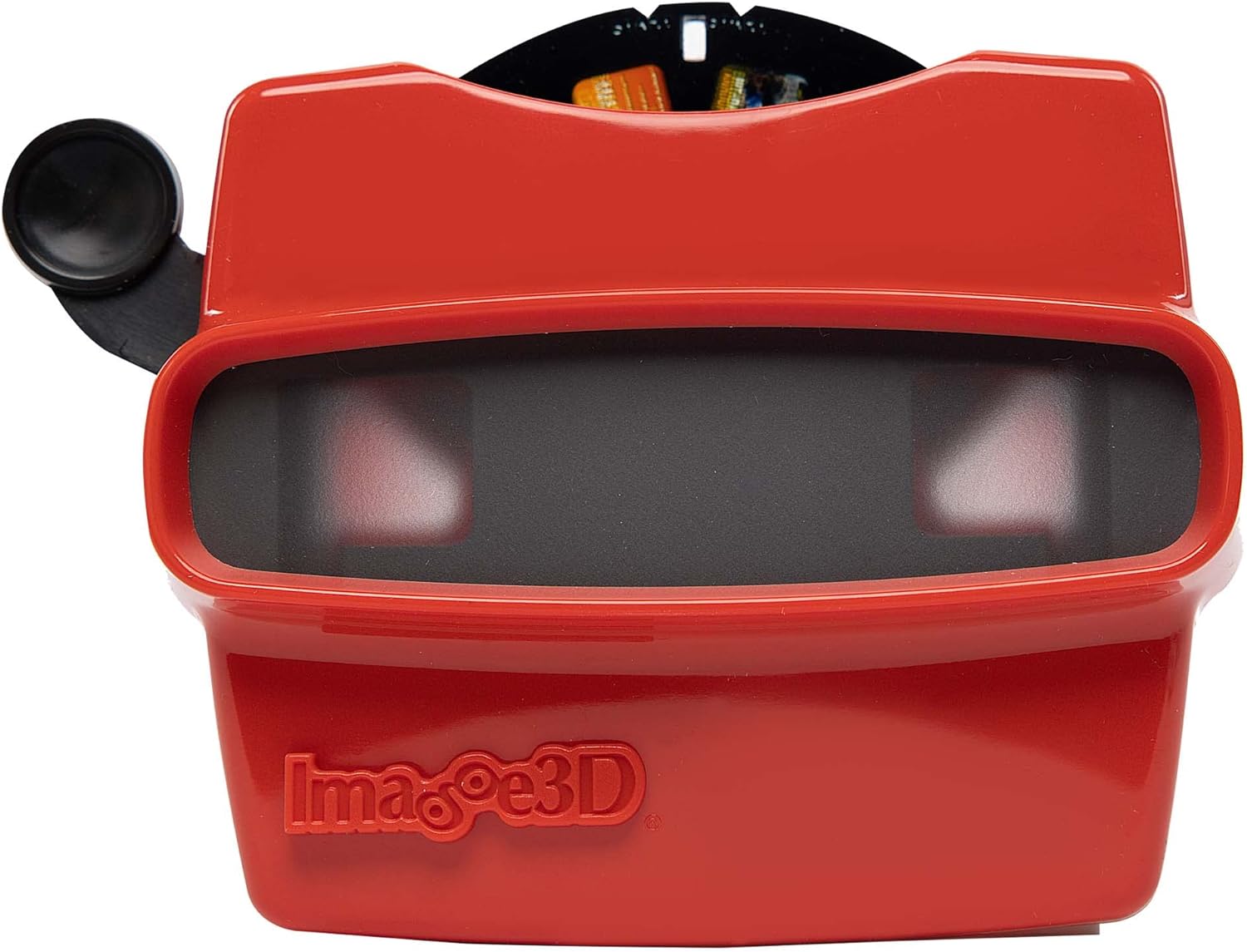
When I described my vision to a friend recently, she said it sounded like I was a human viewfinder. Which sounds a lot more fun than it really is, but I’ll take it for the laugh. It’s either that, or cry. I’ll take the former, always. Unless I’m at Wal-mart, I guess.
 Little M.S. Runner